Coachable vs Non-Coachable Athletes: Why Mindset Matters More Than Talent
griffins
|
04/29/2026
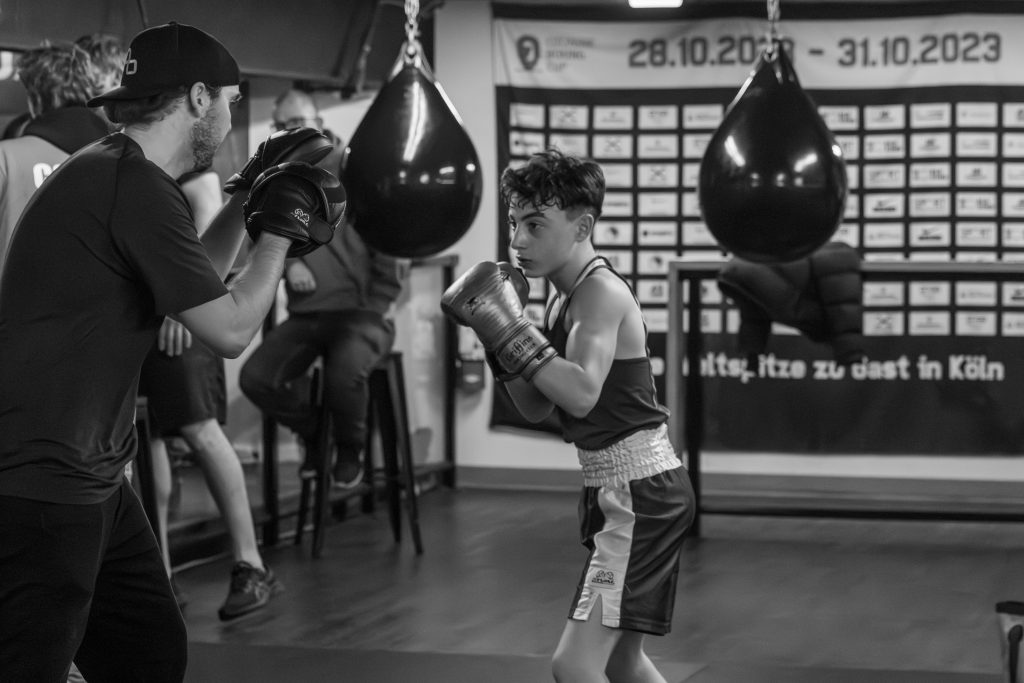
If you’ve ever wondered why some athletes improve quickly while others stay stuck, the answer isn’t talent.
It’s coachability.
In boxing and sports training, the difference between progress and plateau often comes down to one thing: whether an athlete is willing to learn, adapt, and apply feedback.
In this blog, we’ll break down what it means to be a coachable athlete, how to spot non-coachable behavior, and how developing the right mindset can dramatically improve performance.
What Is a Coachable Athlete?
A coachable athlete is someone who is open to feedback and committed to improving, even when it’s uncomfortable.
Instead of focusing on being right, they focus on getting better.
They understand that:
- Feedback is part of growth
- Mistakes are part of the process
- Progress requires change
Coachability is one of the most important traits in youth sports, boxing, and athletic development, because it directly impacts how fast an athlete improves.
Signs of a Coachable Athlete
Coachable athletes stand out, not because they’re perfect, but because they’re always improving.
Key traits include:
- Listening carefully to coaches without interrupting
- Applying corrections immediately
- Asking questions to understand technique
- Staying consistent in training
- Maintaining a positive and focused attitude
These athletes take responsibility for their progress and actively work to improve every session.
What Is a Non-Coachable Athlete?
A non-coachable athlete resists feedback, even if they’re working hard.
This doesn’t mean they don’t care, it means they’re often held back by ego, frustration, or a fixed mindset.
They may train consistently but struggle to improve because they don’t adapt.
Signs of a Non-Coachable Athlete
Common behaviors include:
- Ignoring or forgetting corrections
- Getting defensive when given feedback
- Repeating the same mistakes
- Making excuses instead of adjusting
- Believing effort alone guarantees results
This mindset slows progress and limits long-term development.
Why Coachability Is More Important Than Talent
Natural talent can give athletes a head start, but it doesn’t guarantee long-term success.
Athletes who are coachable:
- Learn faster
- Improve technique more effectively
- Adapt under pressure
- Build stronger discipline and confidence
In contrast, athletes who resist feedback often plateau, regardless of how talented they are.
In competitive environments like boxing, mindset and adaptability often matter more than raw ability.
How to Become a More Coachable Athlete
Coachability is a skill and it can be developed.
Here are five ways to improve:
1. Listen Without Reacting
Focus on understanding feedback instead of defending yourself.
2. Apply Feedback Immediately
The faster you apply corrections, the faster you improve.
3. Ask Specific Questions
Ask “What should I fix?” instead of “Was that good?”
4. Stay Open-Minded
Be willing to change your habits, even if they feel uncomfortable.
5. Stay Consistent
Growth happens through repetition and effort over time.
Coachability in Youth Sports and Boxing Training
For young athletes, coachability goes beyond performance — it builds:
- Discipline
- Focus
- Confidence
- Resilience
At Griffins Boxing, we emphasize coachability as a core value because it shapes not just better athletes, but stronger individuals.
Athletes who learn to listen, adapt, and stay accountable carry those skills into school, work, and life.
_ _ _
Interested in Boxing? Learn more about our 2-week trial, and join us for your first class!
There is something for everyone at Griffins: find the best option for you with our variety of Programs.
Brand-new to the world of boxing, and would feel more comfortable kicking off with a 1-on-1? We got you. Learn more about our private sessions.